
How does a stroke affect mental capacity?
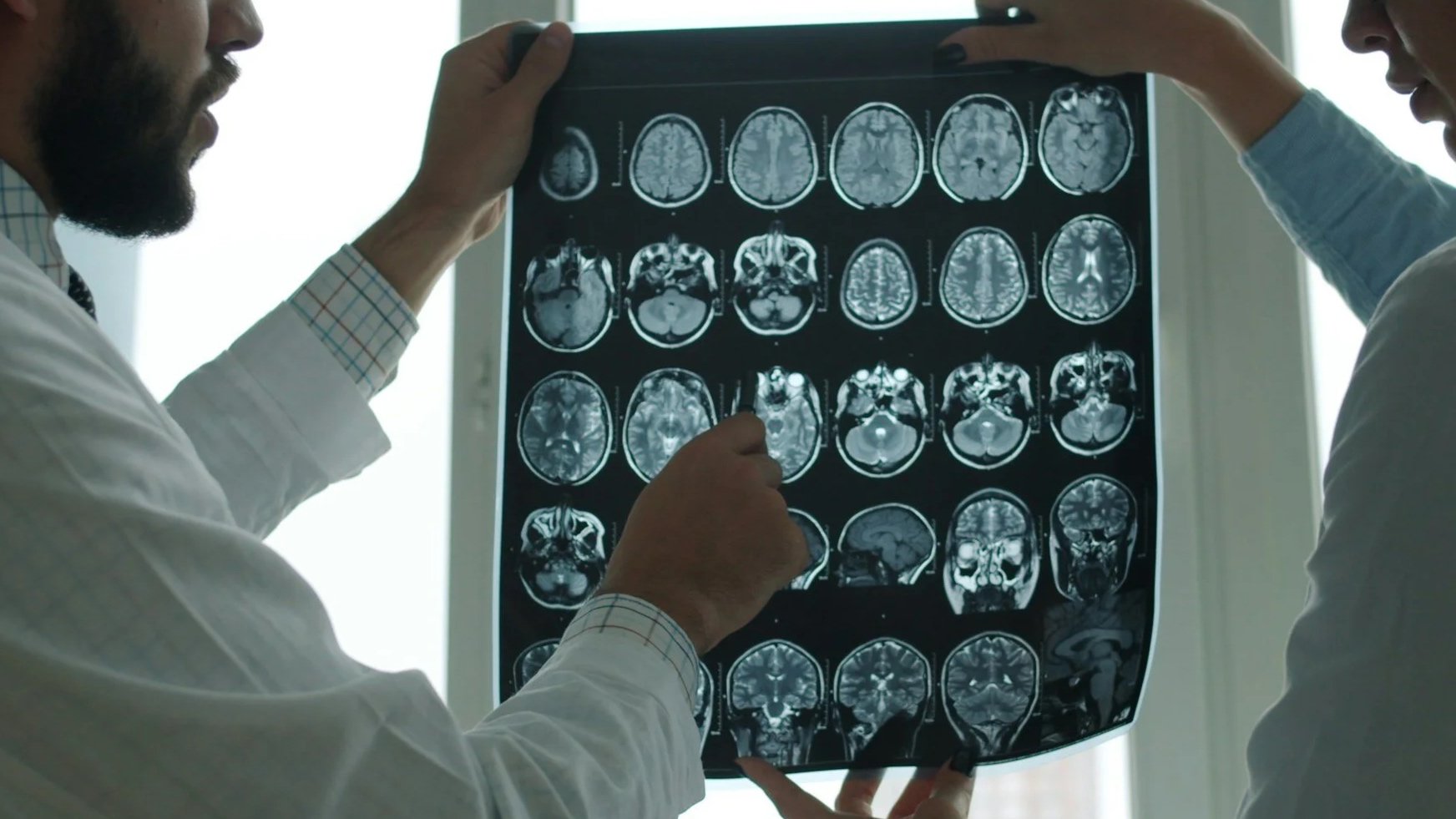
The acronym FAST when referring to a stroke stands for face, arms, speech and time, with asymmetry of the face, an inability to lift an arm, and distorted speech being the common signs of a stroke. Time is of the essence as treatment needs to be administered in hospital as soon as possible.
People are generally aware of the physical manifestations of a stroke, but a stroke can also affect mental capacity depending upon which part of the brain is affected and the extent of the injury. Strokes can be ischaemic, in which a blood clot disrupts blood flow, or haemorrhagic in which a bleed is the cause. Both types of stroke lead to destruction of the brain tissue they affect, and strokes can be very small or devastating.
The frontal lobe of the brain is involved in executive function such as attention and memory, as well as reasoning and judgment. The temporal lobe is involved in memory comprehension. Strokes involving these regions can impair mental capacity.
Strokes can also cause aphasia which is a disorder of language. Expressive aphasia occurs when Broca’s area in the frontal lobe of the dominant hemisphere ( in right handed people the dominant hemisphere is the left ) is affected. Words cannot be expressed but the person may well still retain understanding, and thus capacity. Communication has to be modified when assessing the capacity of people with expressive aphasia. In receptive aphasia, however, comprehension is affected which can impair mental capacity. The affected area is Wernicke’s area in the temporal lobe of the dominant hemisphere. Some people suffer global aphasia in which understanding and expression are affected.
These are just a few examples of how a stroke may impair mental capacity.